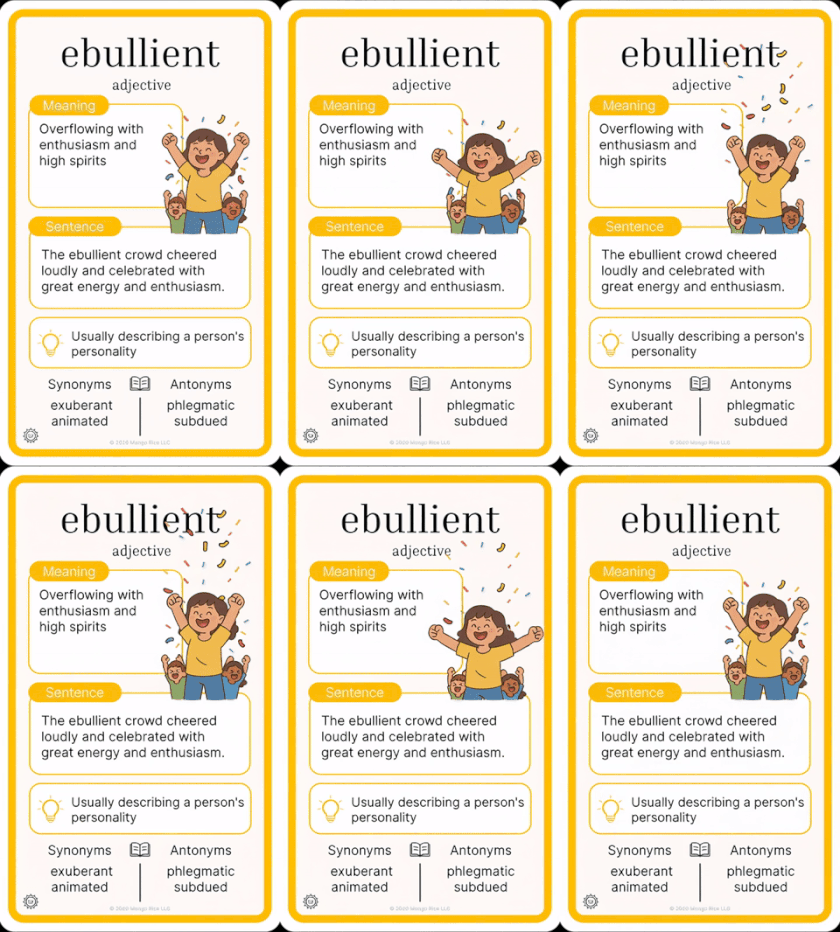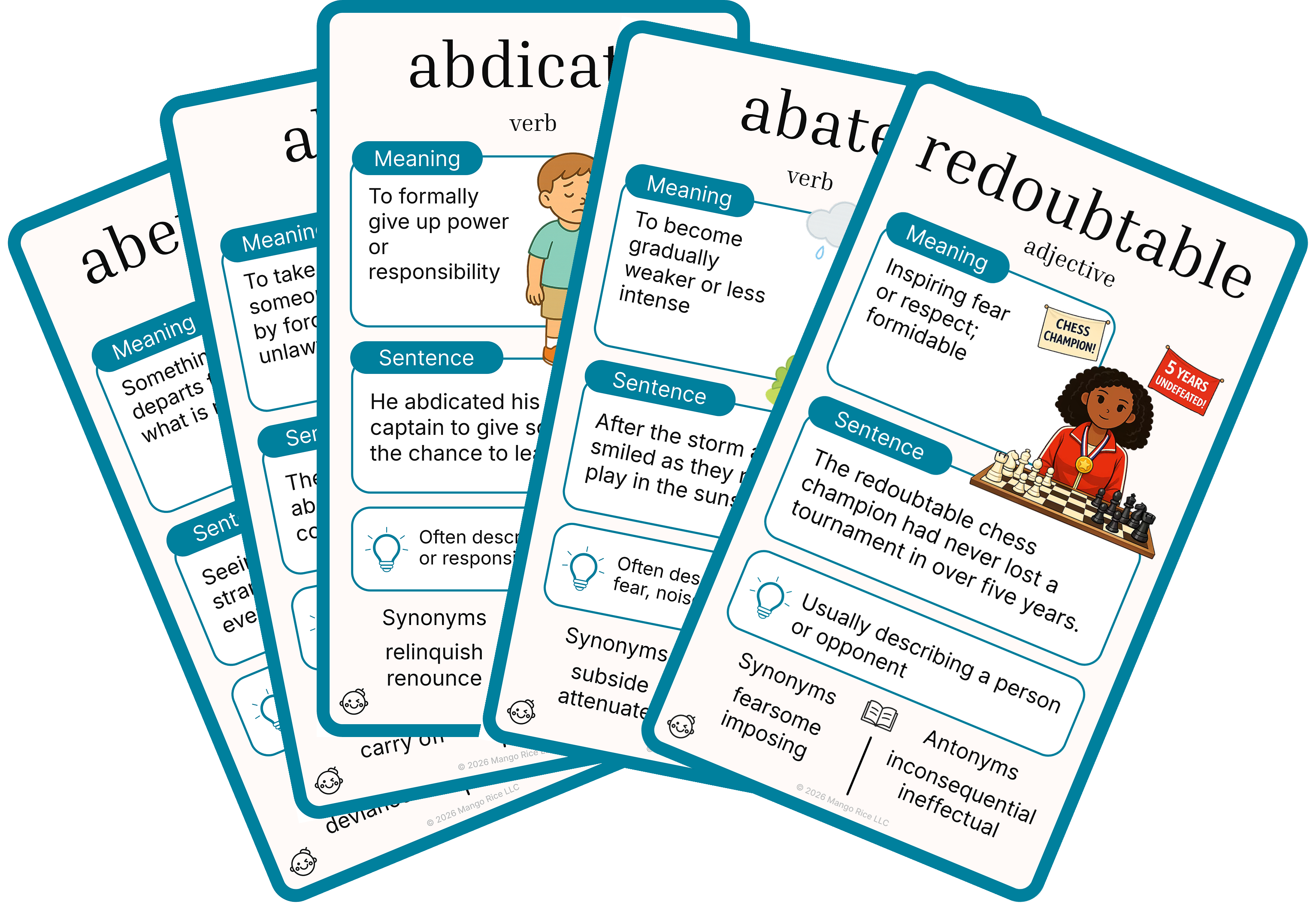


Note: Cards are shown larger for display purposes.
Actual card size will be roughly the size of baseball card.


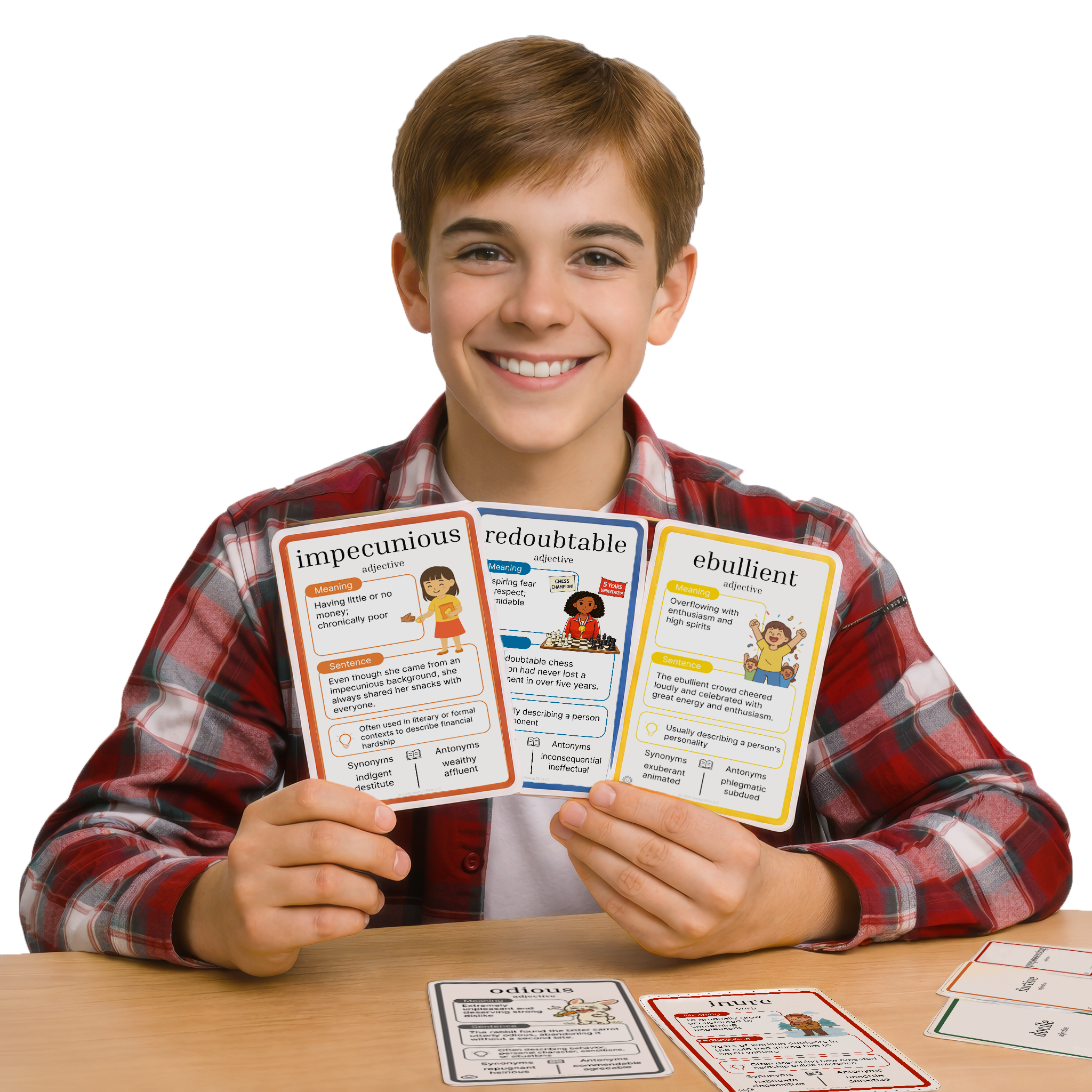
“It’s more fun to use these cards because I don’t have to make my own flashcards on my phone. I tried Quizlet but stopped halfway. " -G10 Student
“The illustrations are so cute! These cards are actually interesting to look at.” - G8 student

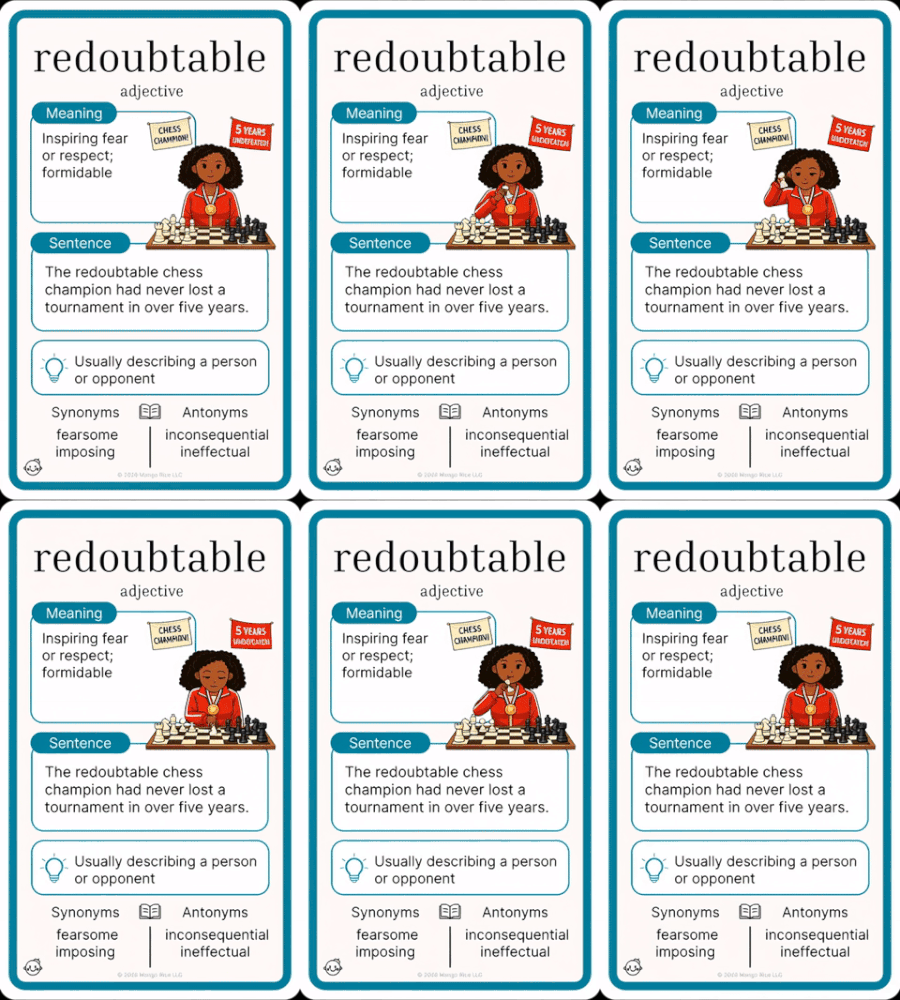
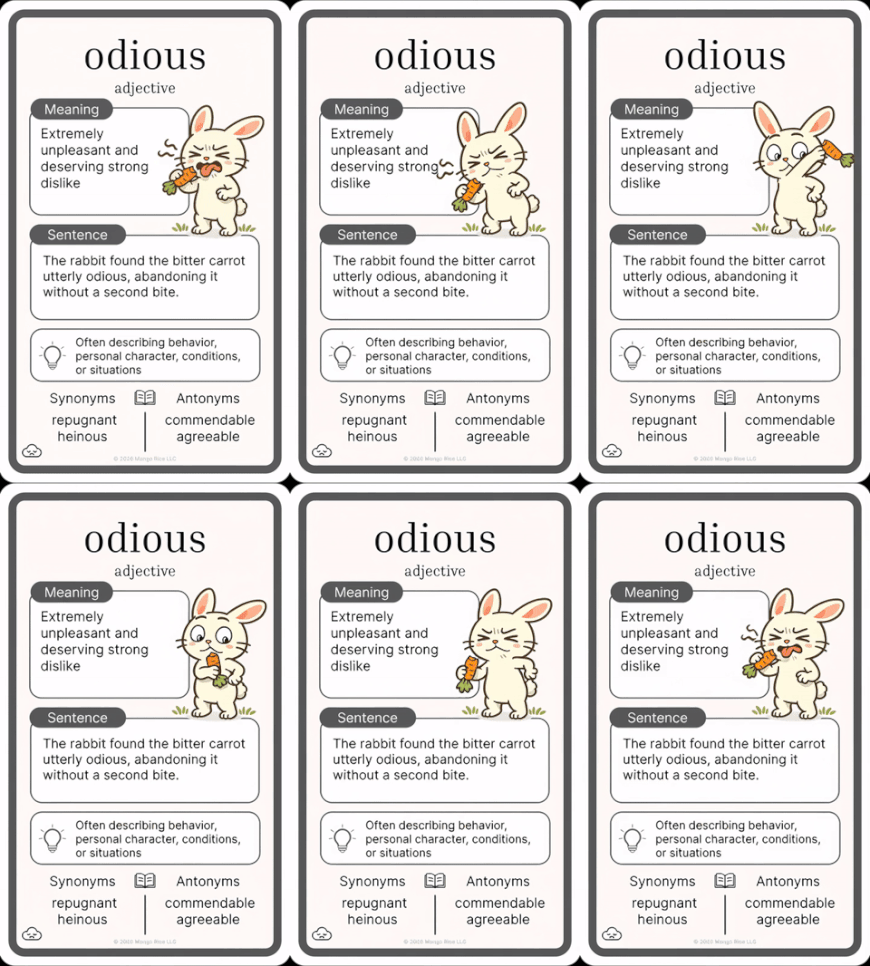
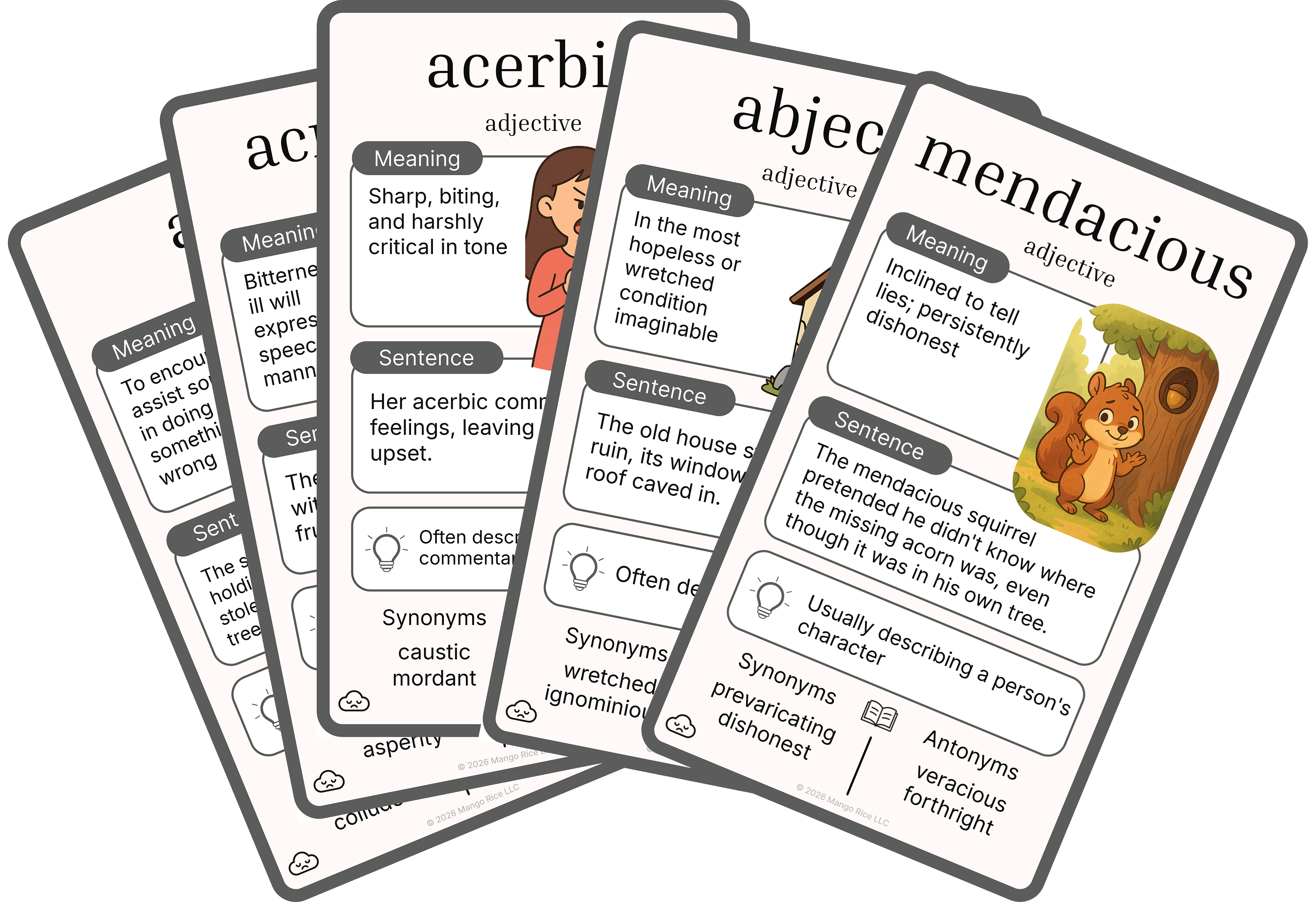
Note: Cards are shown larger for display purposes. Actual card size will be roughly the size of baseball card.
“We tried Quizlet and other digital apps but eventually stopped. He preferred using your cards because he could actually hold the cards and see his progress by the number of cards he had in his "familiar" pile and how many he still needed to learn. He also mentioned that the cards had illustrations, which made them much more enjoyable to use.” -Mother of G10 student

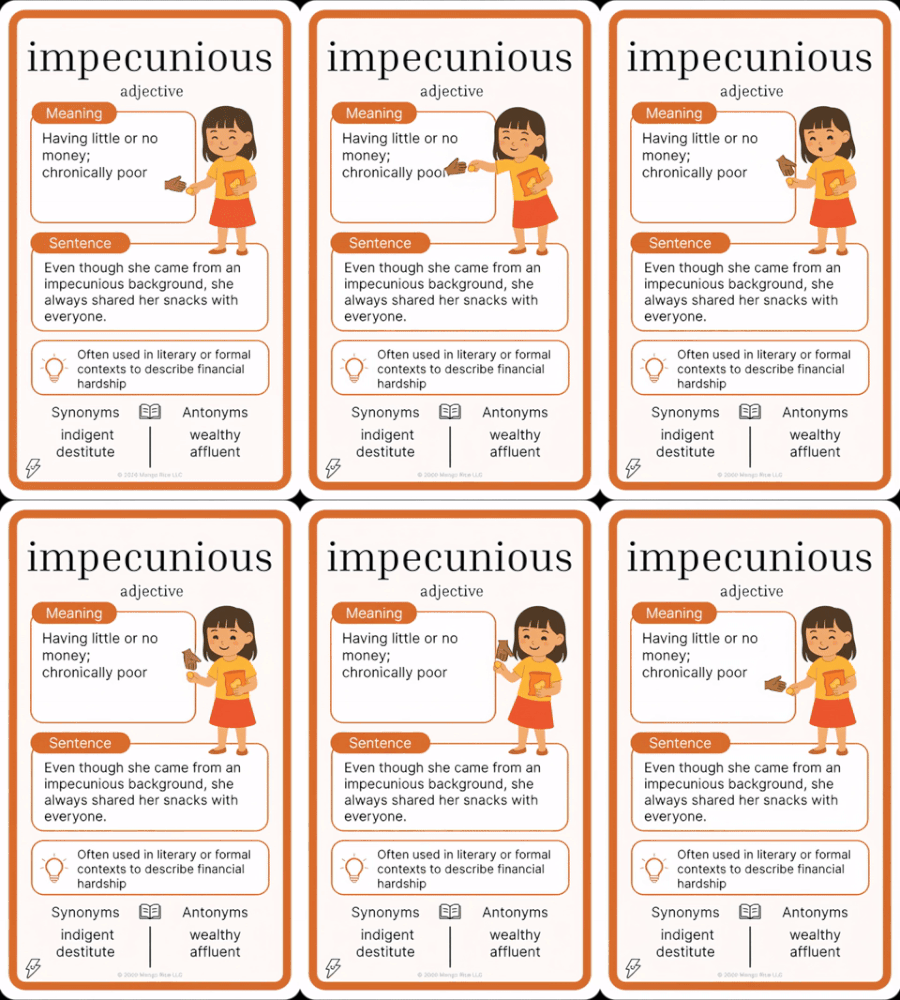
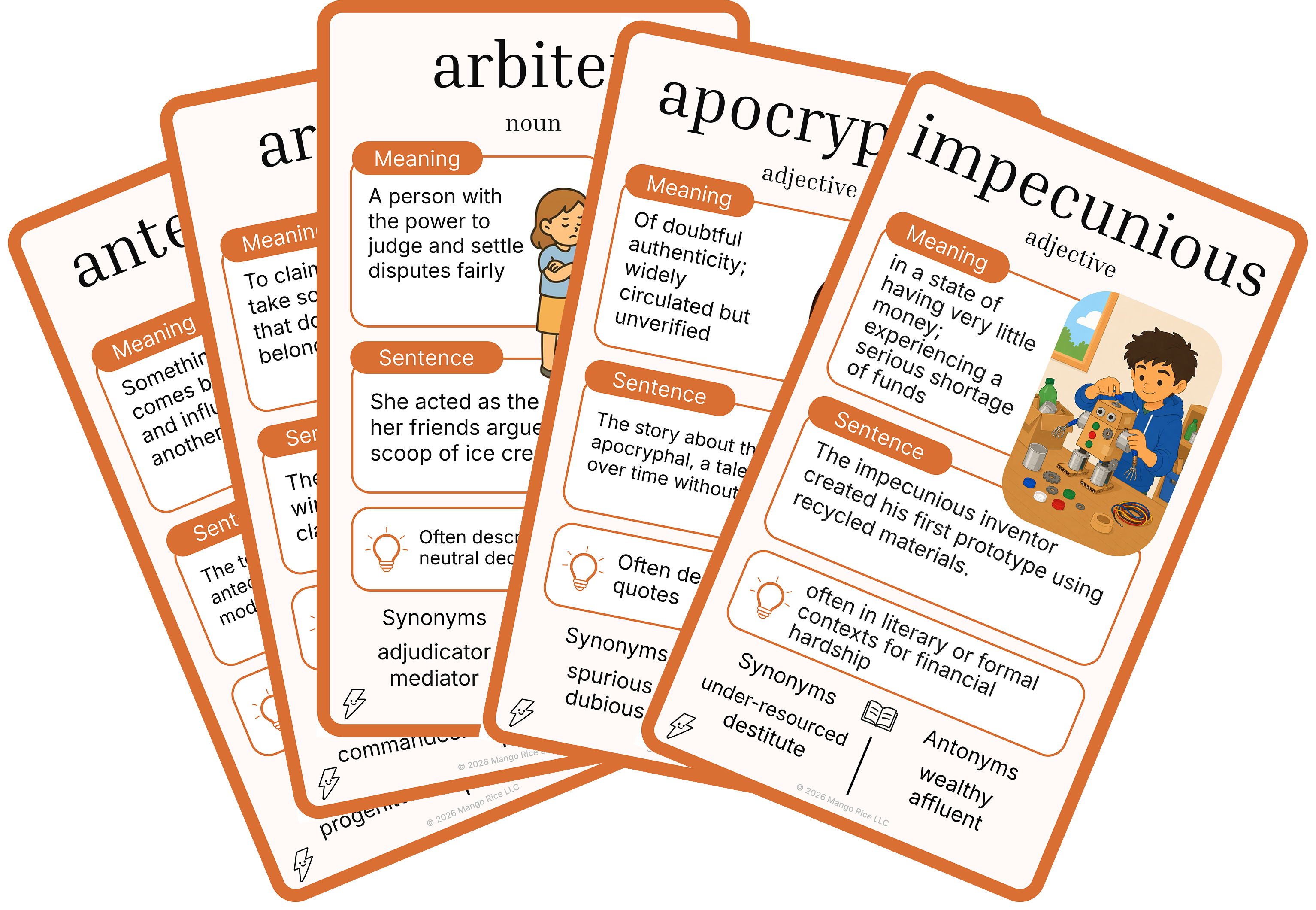
Note: Cards are shown larger for display purposes. Actual card size will be roughly the size of baseball card.

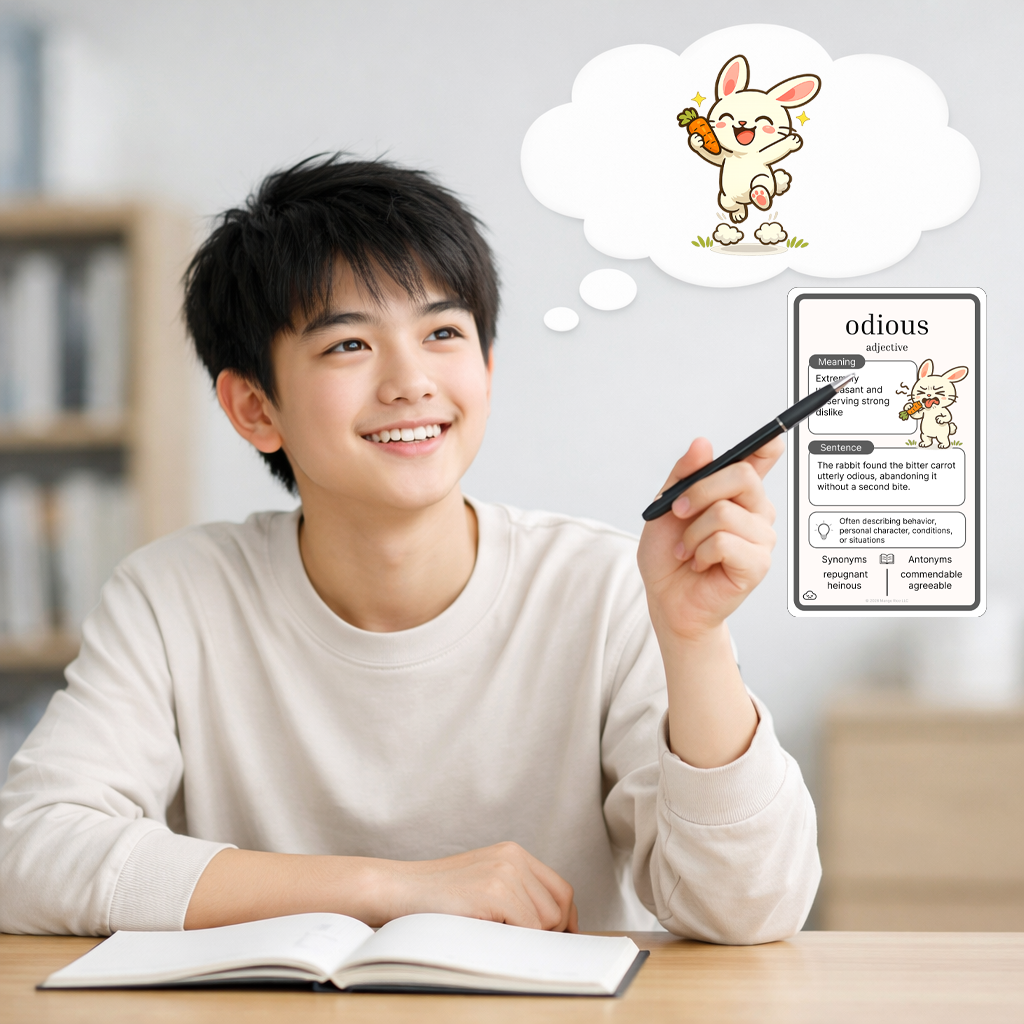
“Instead of giving students SSAT vocab lists, I can give them these cards. I see students using your flashcards during recess, something that never happened with traditional vocabulary books and other flashcards. They found rote memorization with other flashcards tedious. These are perfect for them because they find them fun to use.”

“The word selection in these cards is excellent. The cards turn vocabulary practice into something natural and engaging rather than something that feels forced.”


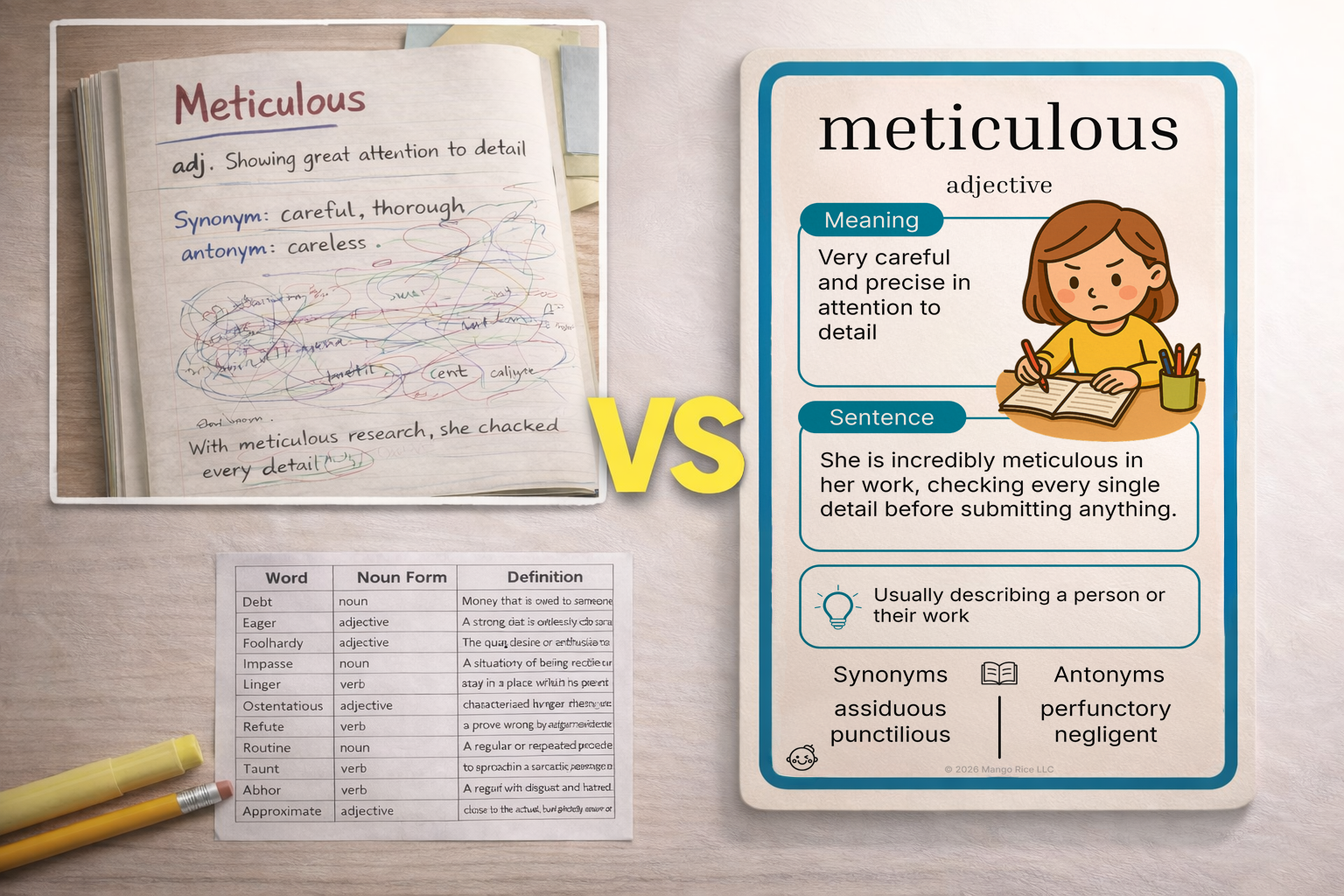
Performance Shift Over 7 Days
• In one week, the student learned 15 SAT/SSAT words through a traditional vocabulary textbook
• In another week, same student learned learned 47 SAT/SSAT words in one week using MaMaMia flashcards


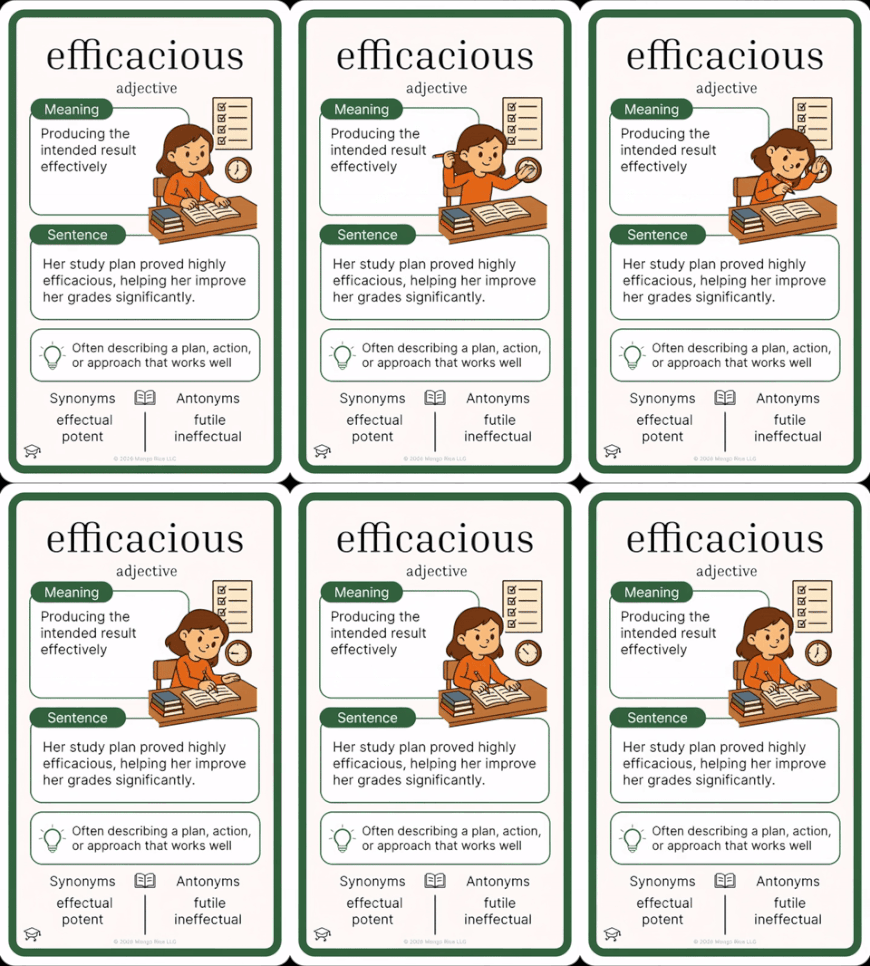
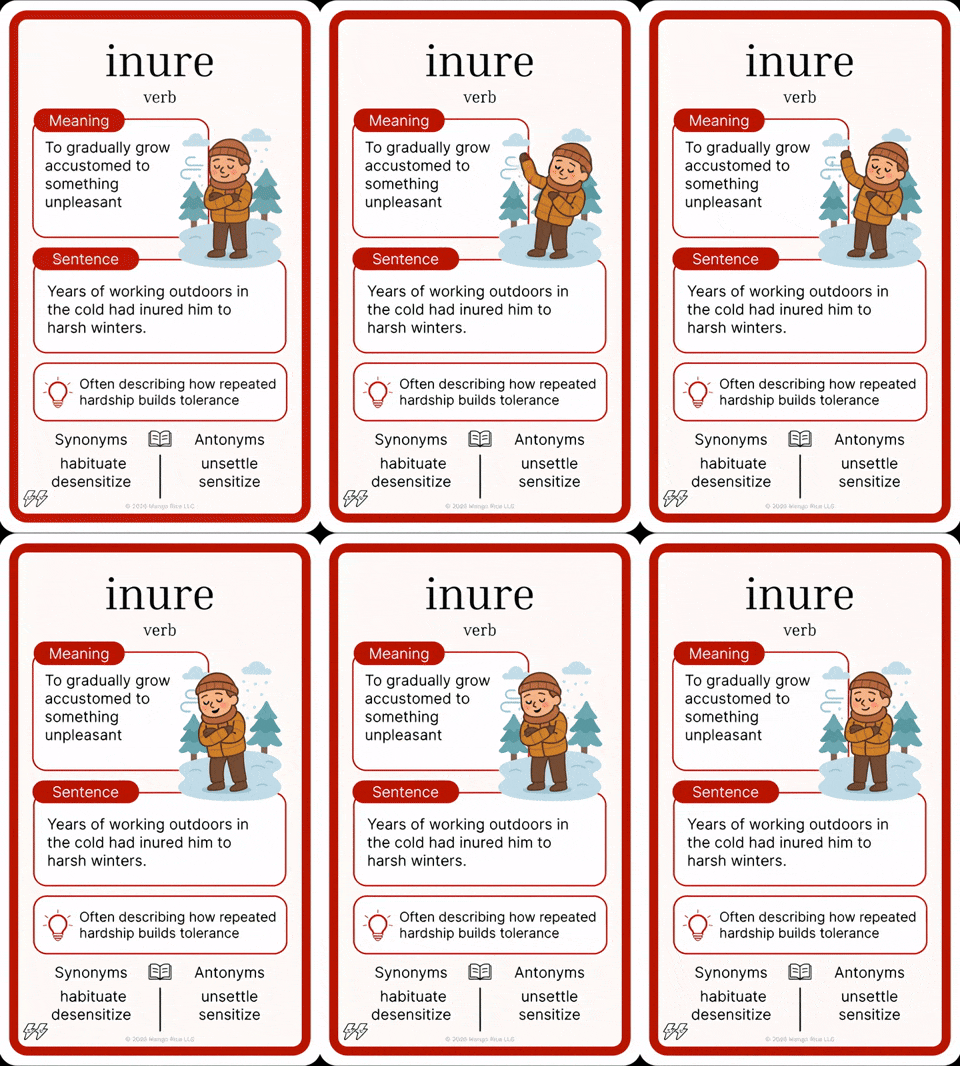
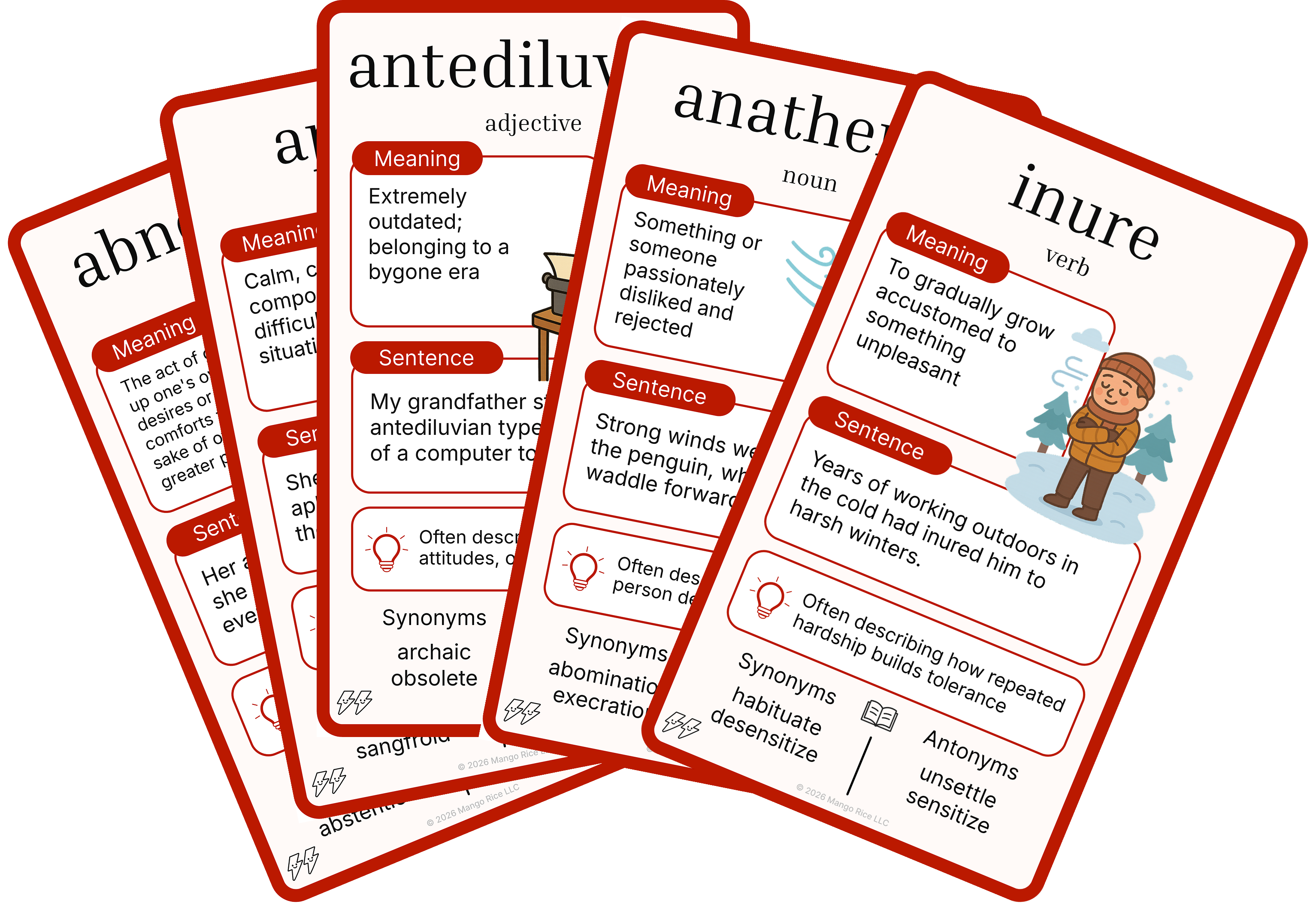
Note: Cards are shown larger for display purposes.
Actual card size will be roughly the size of baseball card.


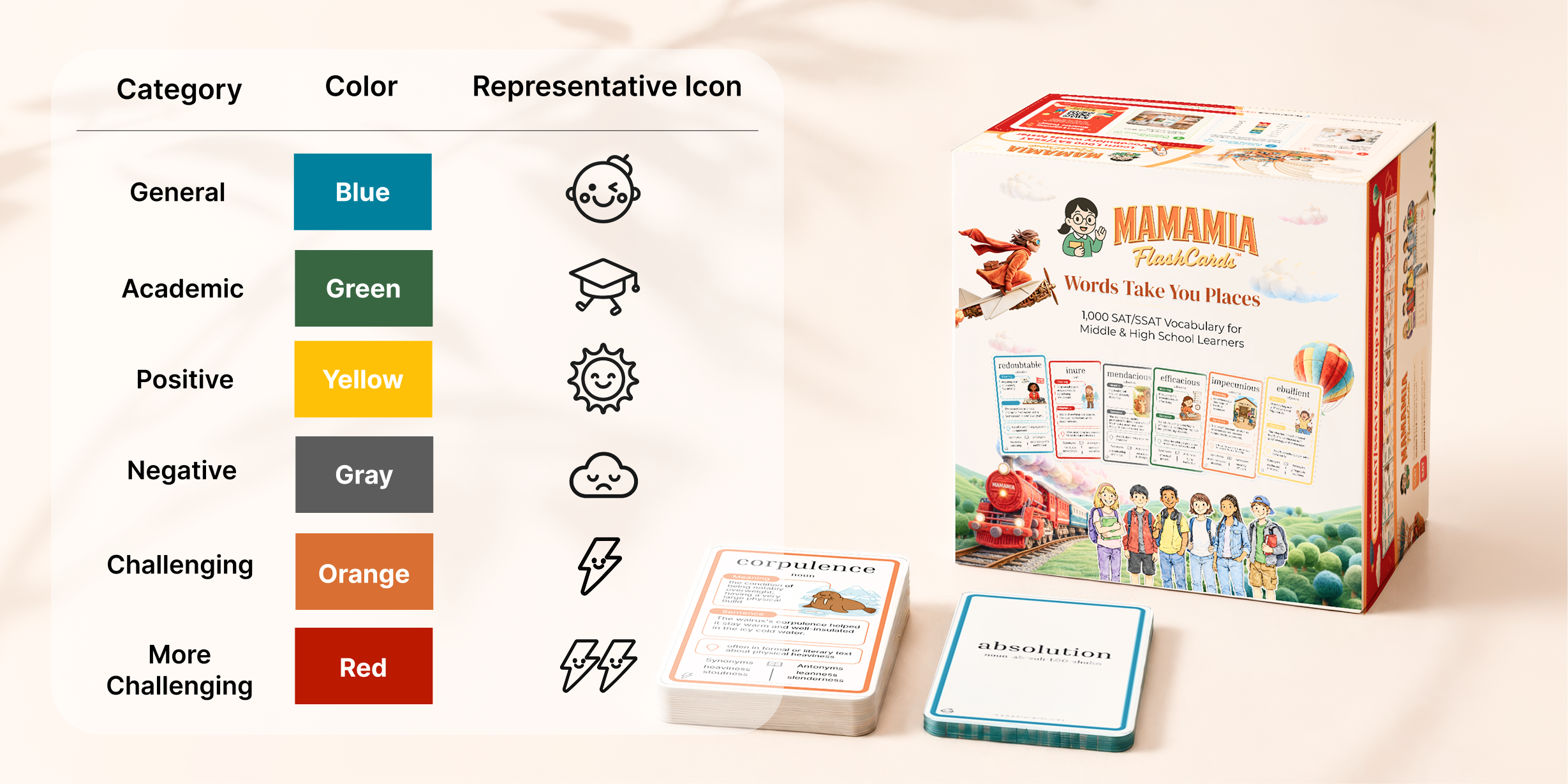
We use both color coding and visual symbolsto help students recognize vocabularycategories in an intuitive and accessible way.
Each category is paired with an icon tosupport students with different visual needsand learning styles.
At MaMaMia Flashcards, we believe that every child learns differently. To create a more inclusive and engaging learning experience, we thoughtfully combine color coding with visual symbols to help students identify vocabulary categories quickly and intuitively.While colors can make learning more organized and memorable, we also recognize that some learners may experience color vision differences or rely more heavily on visual processing strategies. For this reason, each vocabulary category is paired with its own unique representative icon in addition to color coding. This dual-support system allows students to recognize patterns and meanings through multiple visual cues rather than depending on color alone.Our approach is designed to support a wide range of learners, including visual learners, younger students developing early categorization skills, and children with diverse learning needs. By integrating accessible visual design into every flashcard set, MaMaMia Flashcards encourages greater confidence, independence, and enjoyment during the learning process.Through intentional and inclusive design, MaMaMia Flashcards aims to create a supportive educational environment where all students can learn vocabulary in a way that feels clear, approachable, and empowering.

Our synonyms and antonyms teach vocabularythrough context and nuance.
Since SSAT analogies test precise word relationships,we encourage students to explore how related wordsconnect and differ in meaning.
If your child is preparing for the SSAT, please note that the related words on our cards are not always "perfect" synonyms or antonyms. When creating the word pairings, we found that many words simply do not have a "perfect" 1-to-1 synonym or antonym. This was something we deliberated over during the development process.
As a result, many of the related words on the cards are contextually connected rather than exact equivalents. We encourage students preparing for the SSAT to pay attention to the subtle distinctions between related words. At the same time, seeing related words together helps students recognize similarities in tone, context, or meaning, even if the words are not perfectly interchangeable. For example, “assess”may relate to “evaluate” or “appraise,” while “overlook” or “disregard” move in an opposing direction of meaning, even if they are not “perfect” antonyms in every context.
If you are working with a tutor or teacher, we encourage you to review the synonym and antonym section with your teacher by discussing where the meanings overlap, where they differ, and which contexts each word would or would not fit naturally in. For students who are self-studying, these related words can also be looked up individually in a dictionary or thesaurus to identify the more subtle distinctions in tone and usage between the words.
We are also continuing to think about how to make these word relationships more intuitive in future iterations of MaMaMia Flashcards. Wishing you or your child the very best in your SSAT preparation journey.